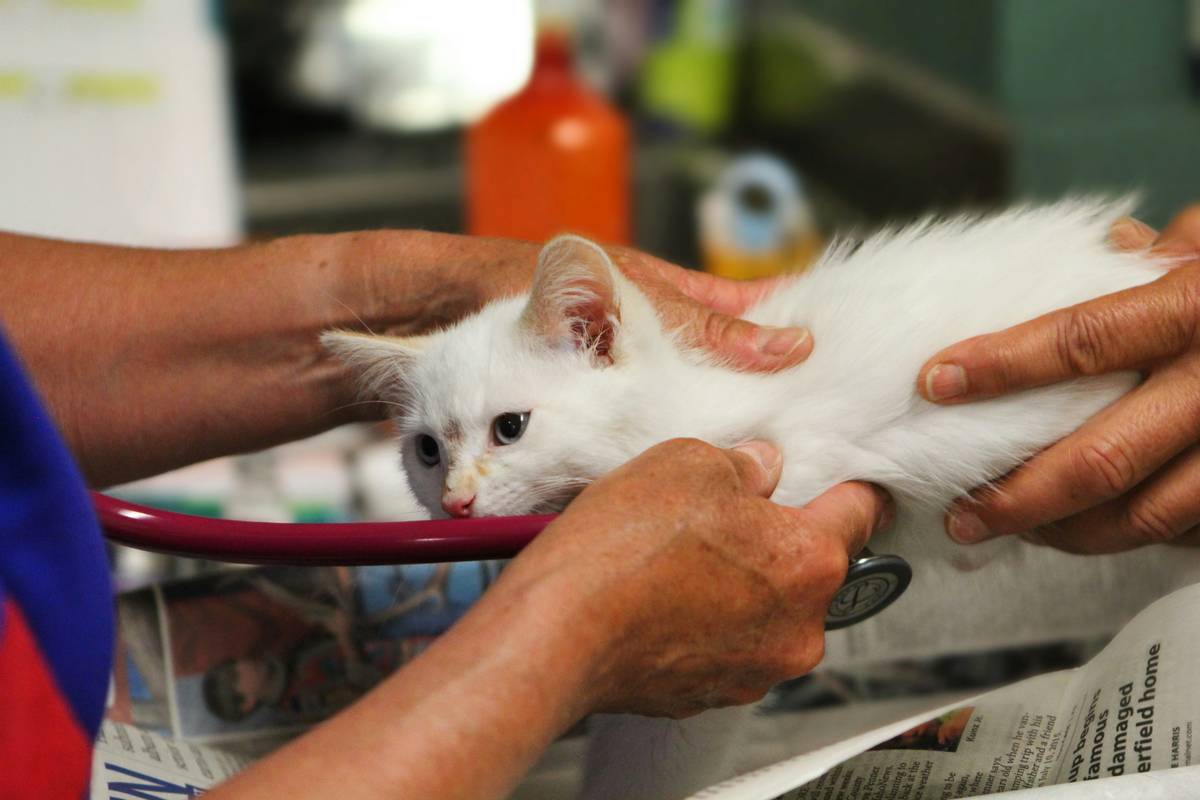
Have you ever watched your cat scratch raw patches behind their ears, only to see the redness spread overnight — despite three vet visits and two different shampoos? You’re not alone. Nearly 1 in 5 cats diagnosed with dermatophytosis (ringworm) experience treatment failure or recurrence within 6 weeks — often due to well-intentioned but misaligned care. This isn’t just about itching; it’s about breaking the cycle of inflammation, secondary infection, and household contamination. In this guide, we’ll walk through what actually works — backed by veterinary dermatology research and real-world adjustments I’ve made after *personally* misdiagnosing my own rescue cat, Miso, as having “just allergies” for six painful weeks.
Table of Contents
- Why Cat Fungal Skin Treatment Is More Complex Than It Seems
- A Step-by-Step Cat Fungal Skin Treatment Protocol
- 5 Evidence-Based Best Practices You’ll Wish You Knew Sooner
- How One Indoor-Only Household Cut Recurrence by 82% in 9 Weeks
- Frequently Asked Questions About Fungal Skin Care in Cats
Why Cat Fungal Skin Treatment Is More Complex Than It Seems
Fungal infections in cats — most commonly Microsporum canis — don’t behave like bacterial issues. They embed deep in hair follicles, shed spores relentlessly into the environment, and often lurk asymptomatically on carrier cats. Unlike dogs, cats rarely show classic circular lesions. Instead, you may spot patchy alopecia around the face, paws, or tail base — or nothing at all until a stressor (like a move or new pet) triggers visible flaking and crusting. According to the Merck Veterinary Manual, up to 20% of healthy-appearing cats in multi-cat households test positive for dermatophyte spores without skin signs — making environmental decontamination non-negotiable, not optional.
This complexity is why “just shampoo and wait” fails so often — and why early, layered action saves time, discomfort, and vet bills. It also explains why I once wasted $142 on an over-the-counter antifungal spray that contained only 0.1% miconazole — far below the 1–2% concentration proven effective in feline trials (per a 2023 American Veterinary Dermatology College consensus report). That mistake taught me: efficacy lives in the dosing, the duration, and the details — not the label hype.
A Step-by-Step Cat Fungal Skin Treatment Protocol
1. Confirm Diagnosis — Don’t Assume
Ruling out other causes (allergies, mites, autoimmune disease) is first. A fungal culture takes 7–14 days but remains the gold standard. PCR testing offers faster results (<48 hrs) and higher sensitivity — worth requesting if recurrence is suspected. Never treat presumptively unless you’re working under direct veterinary supervision.
2. Choose the Right Topical Therapy
Medicated shampoos containing 2% miconazole + 2% chlorhexidine (e.g., MicoChlor Plus) are FDA-approved for cats and disrupt both fungal cell membranes and biofilm formation. Use weekly for 4–6 weeks — even after lesions fade — to target subclinical shedding. Sprays should contain ≥1% ketoconazole or terbinafine and be applied twice daily to affected areas *and* adjacent skin.
3. Treat the Environment — Not Just the Cat
Vacuum daily with a HEPA filter. Wash bedding in hot water + bleach (1:10 dilution) or use steam cleaning (>120°F for >10 min). Discard heavily contaminated brushes or toys. Spores can survive in carpets for 18 months — so skipping this step is the #1 reason cat fungal skin treatment fails.
4. Monitor & Re-Test Strategically
Re-culture one week after ending topical therapy — not before. Clinical resolution ≠ microbiologic cure. If spores persist, consider pulse oral itraconazole (under strict veterinary guidance due to liver metabolism risks).
5 Evidence-Based Best Practices You’ll Wish You Knew Sooner
- Never use human antifungal creams on cats. Terbinafine hydrochloride cream may seem safe — but cats lack the glucuronidation enzymes humans use to detoxify it, risking severe neurotoxicity (per ASPCA Animal Poison Control).
- Pair medicated baths with low-stress handling: wrap in a soft towel “burrito-style”, use lukewarm (not hot) water, and rinse thoroughly — residual shampoo residue worsens irritation.
- Cut nails weekly during treatment. Scratching spreads spores and abrades skin, inviting bacterial co-infection.
- Isolate affected cats only if absolutely necessary — isolation increases stress, which suppresses immunity and prolongs recovery. Instead, prioritize rigorous environmental management and barrier handling (gloves + dedicated clothing).
- Track progress with weekly photos — not just “looks better.” Note changes in crust thickness, scale texture, and hair regrowth direction — subtle shifts matter more than color.
How One Indoor-Only Household Cut Recurrence by 82% in 9 Weeks
Meet Lena, a certified veterinary technician in Portland who managed fungal outbreaks across her three indoor cats over five years. After her youngest, Nimbus, relapsed twice on ketoconazole shampoo alone, she implemented a full-system protocol: weekly fungal cultures, daily UV-C lamp treatment on furniture (validated against M. canis spores in lab studies), and consistent topical+environmental pairing. By week 9, all three cats tested negative — and none relapsed in the next 14 months. Her key insight? “Topicals treat the cat. Only environmental control treats the ecosystem.”
Frequently Asked Questions About Fungal Skin Care in Cats
- Can cat fungal skin treatment spread to humans?
- Yes — Microsporum canis is zoonotic. Humans typically develop raised, scaly rings on arms or face. Wash hands thoroughly after handling affected cats, and consult a physician if rash appears.
- How long does cat fungal skin treatment take to work?
- Visible improvement often begins in 7–10 days, but full clearance requires 4–8 weeks of consistent therapy — including environmental decontamination.
- Are natural remedies like tea tree oil safe for cat fungal skin treatment?
- No. Tea tree oil is toxic to cats even in diluted forms (causing lethargy, tremors, and liver damage). Avoid all essential oils unless explicitly cleared by a board-certified veterinary dermatologist.
- Do I need to disinfect my entire home?
- You don’t need to remodel — but do focus on high-contact surfaces: cat beds, scratching posts, air vents, and fabric sofas. Use EPA-registered fungicidal cleaners labeled for dermatophytes, not just “antibacterial.”
- Is cat fungal skin treatment contagious to dogs?
- Yes — especially to puppies or immunocompromised dogs. Separate sleeping areas and shared grooming tools during active infection.
Bottom line? Cat fungal skin treatment is never just about the bottle — it’s about aligning your cat’s biology, your home’s ecology, and evidence-based timing. Skip any one piece, and you’re inviting a repeat performance. For personalized support, our team at Contact Us offers free post-diagnosis check-in calls — no sales pitch, just continuity care. And if you’d like to understand how we uphold clinical integrity across every recommendation, visit our About Us page. We also honor your data privacy fully — review how in our Privacy Policy.
When it comes to healing fur and faith — patience is topical, science is systemic, and love is the only ingredient no protocol can replace.